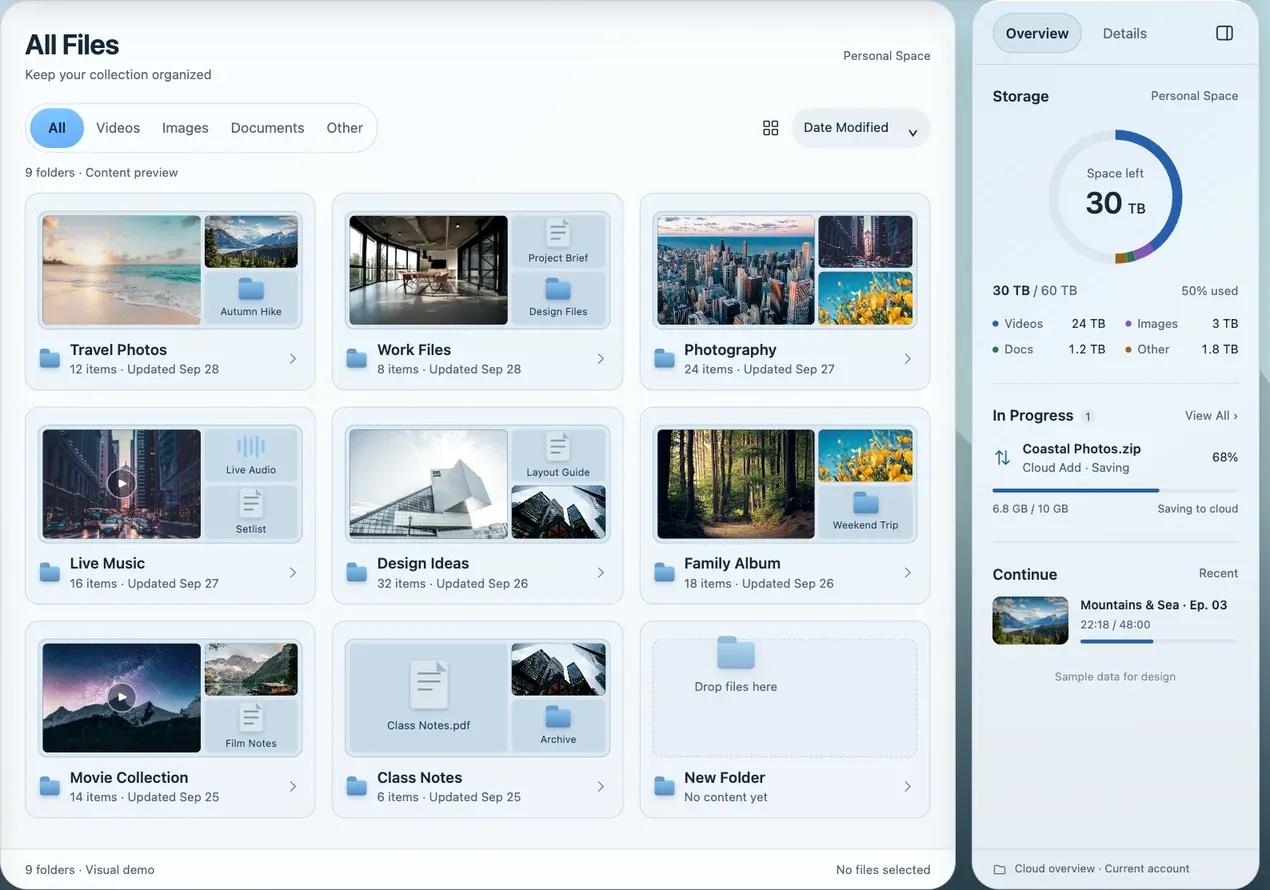
- Is PKP an official PikPak product?
- No. PKP is an independently developed third-party desktop client; you sign in with your own PikPak account.
- Do I have to set up an AI model to organize files?
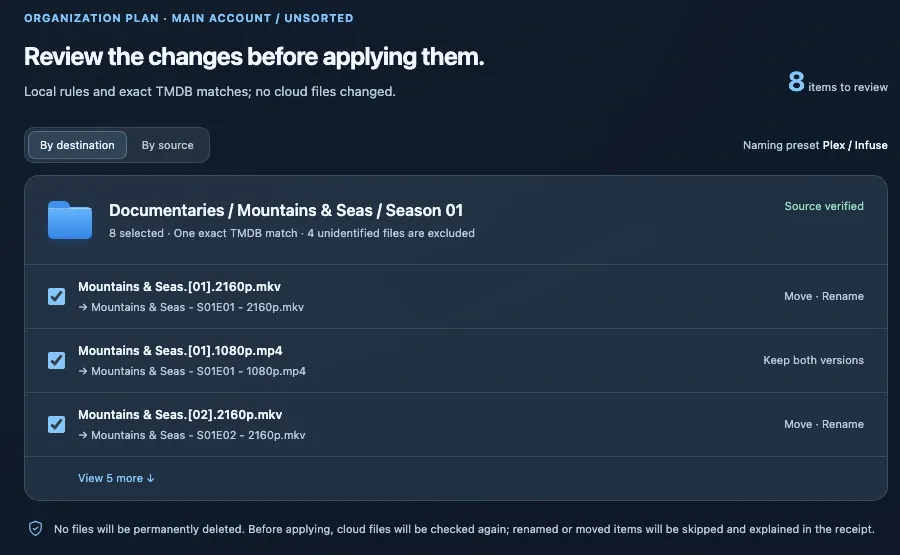
- No. Local search, filename rules, and organization plans don’t depend on a model; chat requires configuring your own model, and local Ollama needs no key.
- Will the AI read my file contents?
- Once you authorize chat, only the metadata a task needs — file names, paths, sizes, and dates — is sent. File contents, subtitles, credentials, and download links are never sent.
- Where is my account password stored?
- If you don’t check “Remember,” the password is kept only in the running process’s memory; if you do, it’s stored in the macOS Keychain. Sign-in tokens are stored in a local credentials file readable only by you.
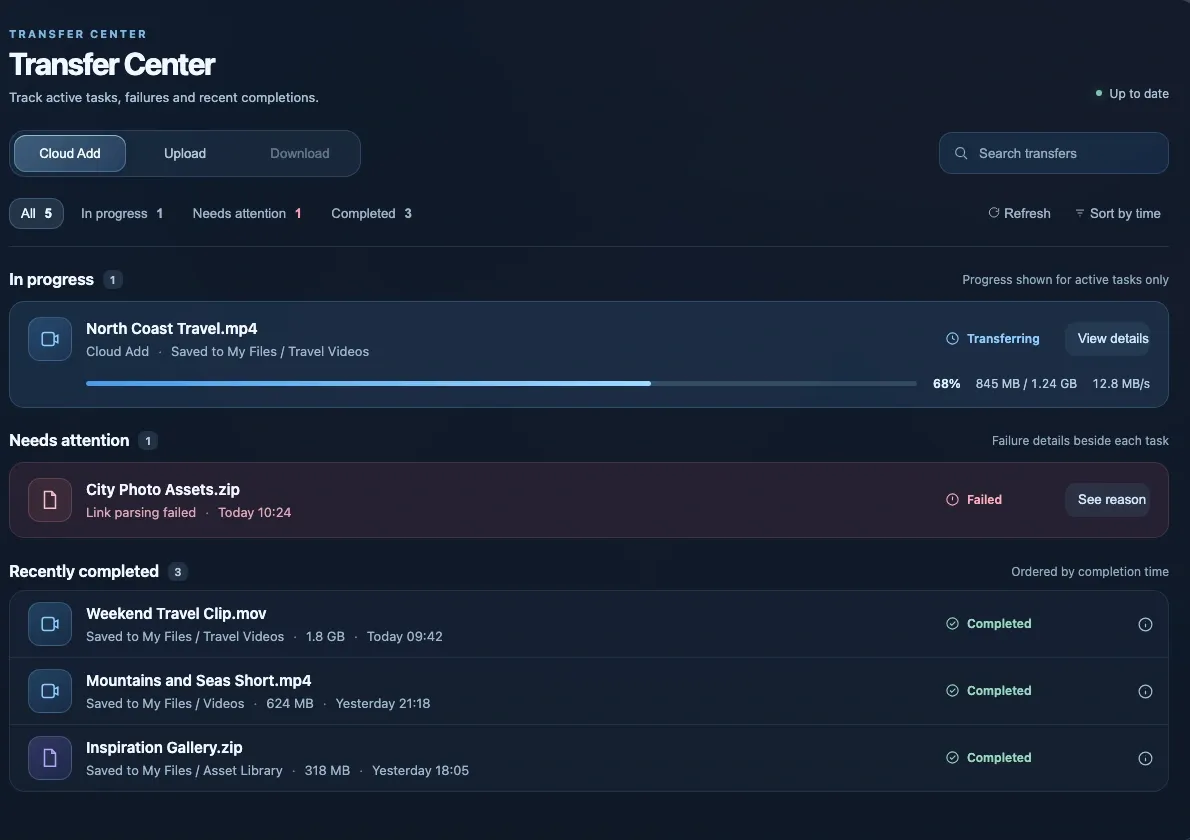
- Do transfers stop when I close the window?
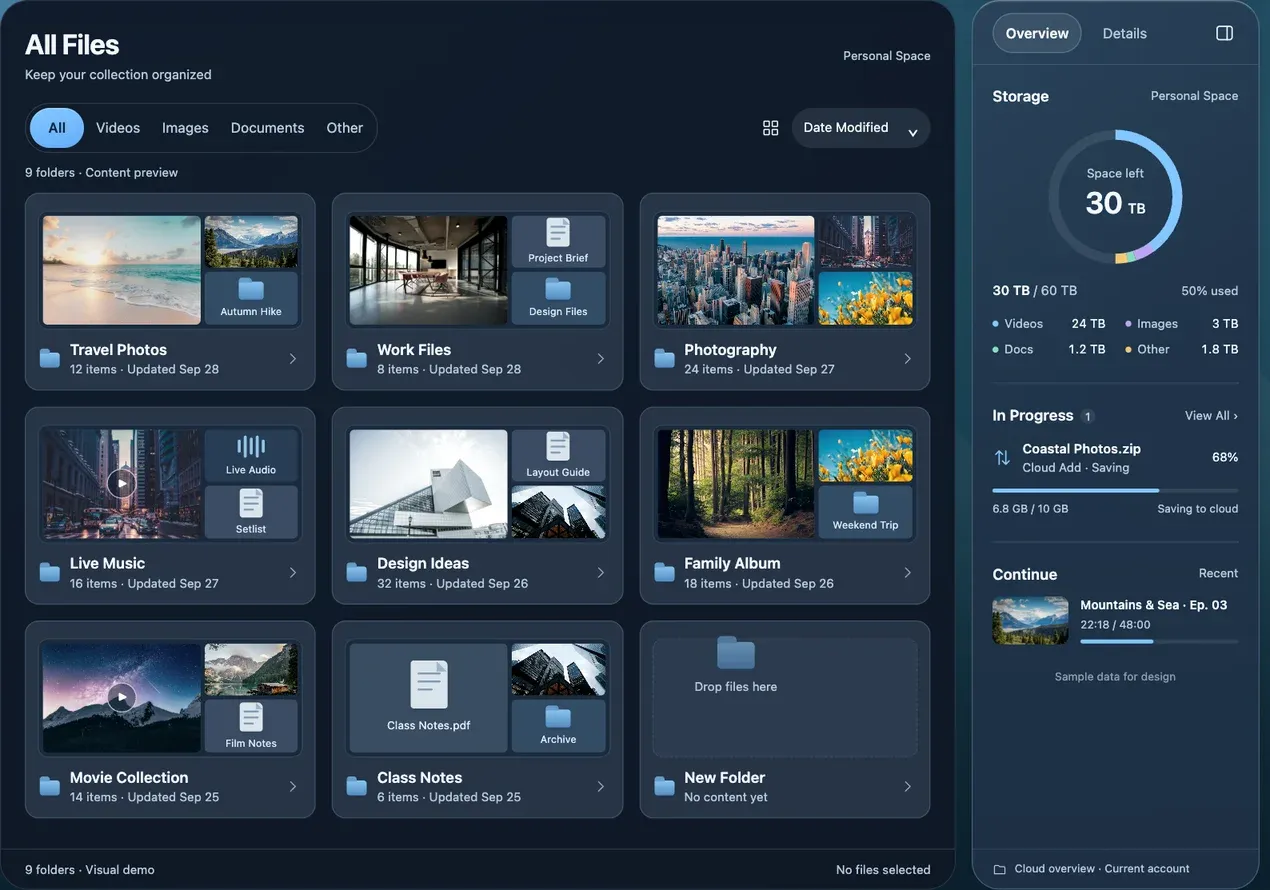
- Not on macOS. PKP keeps running in the menu bar and background transfers for every account continue; if tasks are running when you quit, you’ll be asked first.
- Do I need PikPak Premium?
- You can start with your own PikPak account. Some features, such as WebDAV management, require Premium; everything else depends on your account’s plan.
- Are the Windows and macOS versions the same?
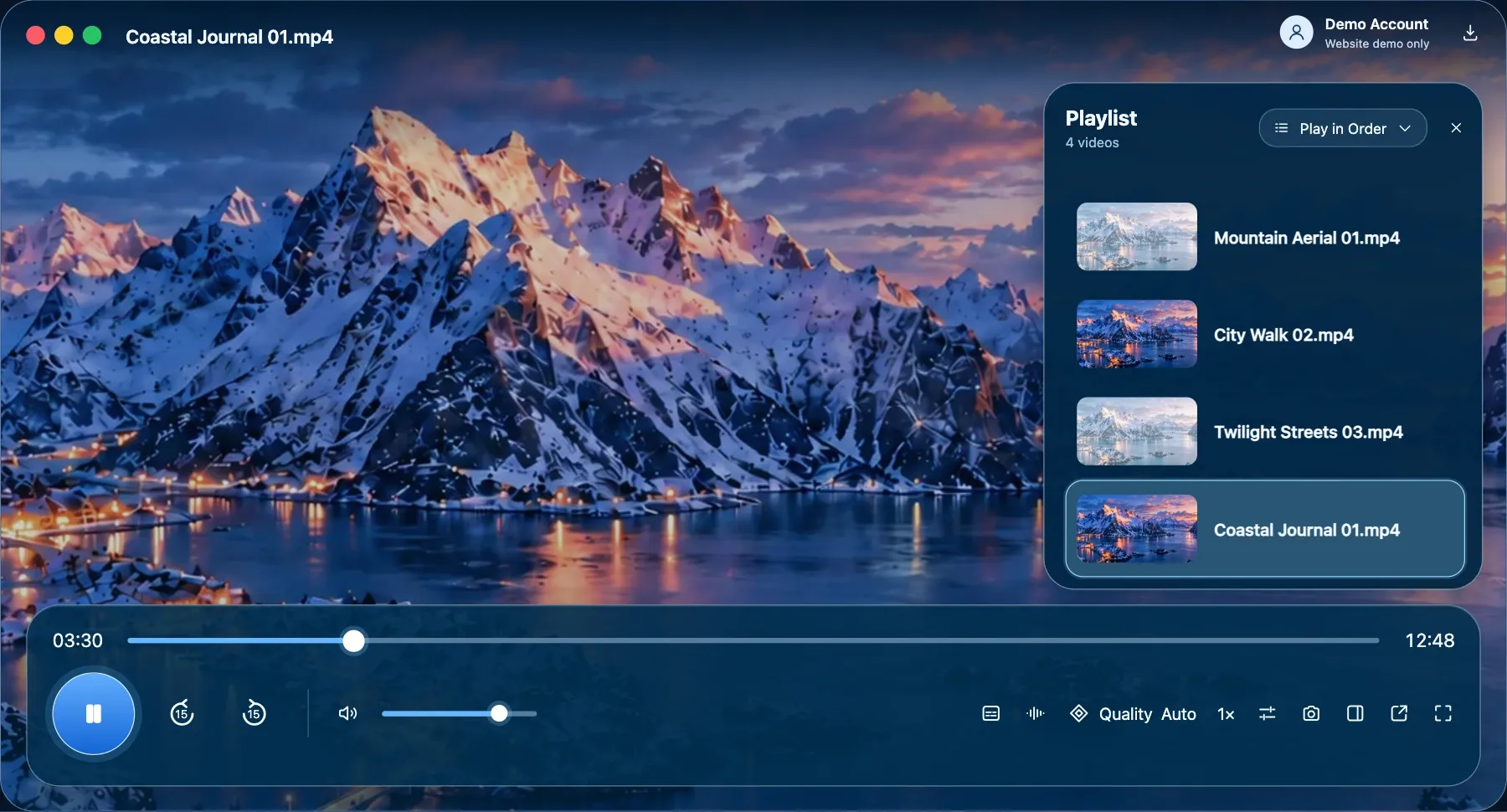
- Not yet. The Windows version is a preview build; video on real hardware and Windows Hello are not yet verified. Missing features are listed on the download page.
- What if macOS says it can’t verify the developer?
- The current disk image isn’t notarized by Apple. First confirm where the installer came from, then allow it using the “First-launch guide” on the download page. Don’t run it directly from the disk image.